
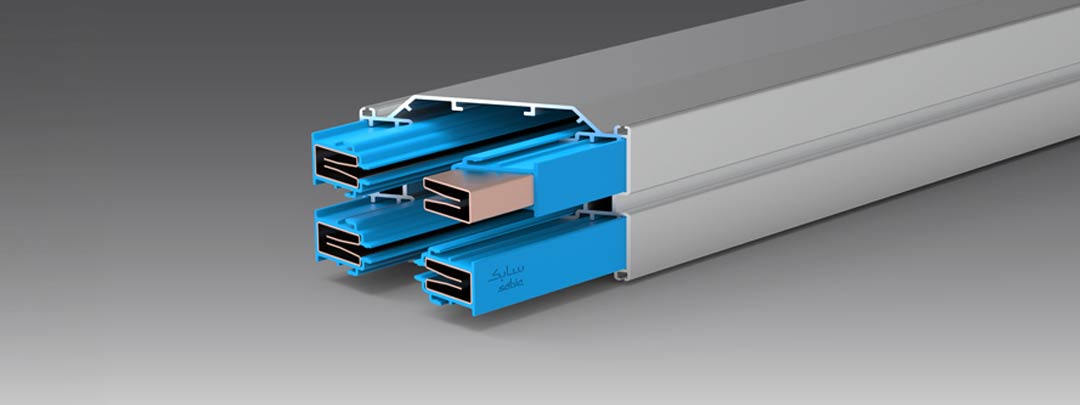
RETHINKING BUSWAY INSULATION IN AI DATA CENTERS
These are not the data centers you grew up with.
AI data centers are power-hungry beasts that rely on resource-intensive specialty processors (GPUs, TPUs) requiring high voltages (800 VDC), high power densities and high-capacity copper conductors.
That’s why the busways that power AI data centers today demand a different approach to electrical insulation.
Using specialty thermoplastics to insulate busways in overhead power distribution systems can help you avoid data center failure and stay within budget. But which thermoplastic is best?
Read on to learn what to look for in your next busway insulation materials.
TOP 5 CRITERIA FOR BUSWAY INSULATION MATERIALS

Safety and performance are paramount: The chosen high-performance thermoplastic should meet the UL94 V0 standard for flame retardancy – ideally using a non-brominated/non-chlorinated chemistry – and withstand temperatures up to 125°C without deformation while maintaining stable dielectric properties.

Busway designs must scale and flex: The right specialty thermoplastic facilitates long-span busway designs that enclose busway insulation within the metal raceway. With this configuration, you can make changes on the fly, such as adding plug-in units to power new server racks. No need for expensive infrastructure changes.

Downtime is not an option: Interruptions to AI data center operations can be catastrophic. For consistent, reliable performance, busway insulation profiles must be perfectly straight and uniform. To avoid warpage from swelling, the thermoplastic should avoid absorbing water during extrusion and operation.

Regulators are watching: Insulation materials need to comply with stringent UL and IEC standards for flame resistance, safety and reliability, specifically UL 857, the Standard for Busway and Associated Fittings; and IEC 61439-6, the international standard for safety and reliability of electrical power distribution systems up to 1,000V AC.

Think system cost, not price: A thermoplastic’s price tag isn’t the whole story. Other factors affect total system cost. Is the material easy to process into the long lengths needed for busways in huge datacenters? Does it retain its performance over time when subjected to high heat and humidity? Does the material require reinforcement for stability, making it heavier and harder to process?
AI data center infrastructure is being built at a pace that leaves little room for mid-program material decisions. Teams that ask the right questions now – about compliance, stability, thermal performance, voltage tolerance and total cost – will avoid unnecessary delays and redesign cycles.
One last thing. Don’t forget to consider the level of service, expertise and supply surety offered by the resin supplier. Assistance with material selection, application development, prototyping and testing can mean the difference between success and disappointment. And in view of ongoing supply chain volatility and disruption, you need a reliable and agile resin supplier.
What's next?
Schedule a consultation with our experts or request additional data on suggested NORYLTM resins for busway insulation. Once any form is submitted, you will automatically receive access to download our 16-page application guide "Building the Foundation of AI Infrastructure with Specialty Materials".

DISCLAIMER: ANY SALE BY SABIC, ITS SUBSIDIARIES AND AFFILIATES (EACH A “SELLER”), IS MADE EXCLUSIVELY UNDER SELLER’S STANDARD CONDITIONS OF SALE (AVAILABLE UPON REQUEST) UNLESS AGREED OTHERWISE IN WRITING AND SIGNED ON BEHALF OF THE SELLER. WHILE THE INFORMATION CONTAINED HEREIN IS GIVEN IN GOOD FAITH, SELLER MAKES NO WARRANTY, EXPRESS OR IMPLIED, INCLUDING MERCHANTABILITY AND NONINFRINGEMENT OF INTELLECTUAL PROPERTY, NOR ASSUMES ANY LIABILITY, DIRECT OR INDIRECT, WITH RESPECT TO THE PERFORMANCE, SUITABILITY OR FITNESS FOR INTENDED USE OR PURPOSE OF THESE PRODUCTS IN ANY APPLICATION.
Each customer must determine the suitability of seller materials for the customer’s particular use through appropriate testing and analysis. No statement by seller concerning a possible use of any product, service or design is intended, or should be construed, to grant any license under any patent or other intellectual property right. SABIC and brands marked with ™ are trademarks of SABIC or its subsidiaries or affiliates, unless otherwise noted.
© 2026 Saudi Basic Industries Corporation (SABIC). All Rights Reserved.
Any brands, products or services of other companies referenced in this document are the trademarks, service marks and/or trade names of their respective holders.
Read our SABIC Privacy Notice